Huangshan Site in Nanyang, Henan
Introduction
The Huangshan Site in Nanyang, Henan province, is a significant archaeological location that has provided profound insights into China's prehistoric era, specifically the Neolithic period. This site, dating back approximately 5,000-7,000 years, has been a focal point for archaeological research and discovery, revealing important aspects of ancient jade culture and burial practices in Central China. The archaeological efforts undertaken from 2018 to 2023 have yielded significant findings that have enriched the understanding of Neolithic jade culture, bridging the gaps in historical knowledge of this period in Central China.
Historical Background
Discovery and Excavation
The systematic archaeological excavation of the Huangshan site began in earnest in 2018 and continued through 2023. This five-year excavation project was initiated to explore and understand the Neolithic jade culture that flourished in Central China. The site was chosen due to its rich potential for revealing aspects of jade craftsmanship and burial customs, which were prevalent during the Neolithic period. Archaeologists have unearthed numerous artifacts and remnants of structures, contributing substantially to the understanding of this era.
Significance and Impact
The discoveries at the Huangshan site have had a significant impact on the study of Chinese prehistory, and was listed as one of "China's Top 10 New Archaeological Discoveries of 2021". The jade artifacts unearthed are particularly important as they provide clues to the technological advancements and cultural practices of the time. The site has also offered insights into the burial and ceremonial practices of the Neolithic peoples, highlighting the spiritual and social structures that existed thousands of years ago. The excavation has filled a crucial gap in the historical understanding of jade culture in Central China, showcasing the region's importance in the broader context of Chinese civilization's development.
Archaeological Findings
Artifacts
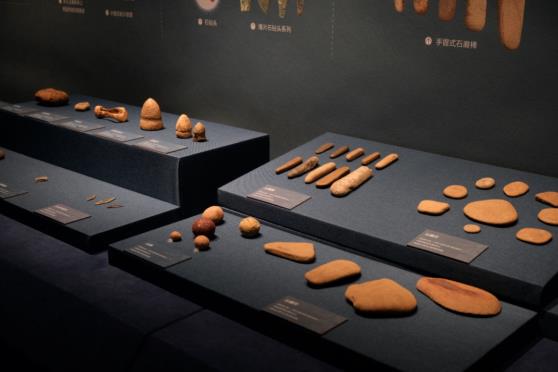
Among the most notable findings at the Huangshan site are the jade artifacts. These artifacts include ceremonial items and tools that reveal the advanced craftsmanship and cultural significance of jade in the Neolithic period. The variety of jade pieces, ranging from ornamental items to practical tools, indicates a sophisticated society with complex social hierarchies and cultural practices. The craftsmanship involved in creating these jade artifacts suggests a deep-seated cultural and spiritual connection to the material, which played a key role in both daily life and ceremonial rituals.
Structures
In addition to the jade artifacts, significant structural remains have been uncovered at the Huangshan site. These include the foundations of large communal buildings and possibly ceremonial structures, which offer insights into the social and organizational aspects of Neolithic life. The discovery of these structures signifies the presence of a well-developed society with the capability for architectural planning and construction. The remnants of buildings point to communal and possibly ritualistic uses, reflecting a society with complex social structures and religious practices.
Cultural Importance
The Huangshan site is culturally significant as it provides a window into the life and times of early Chinese societies. The jade artifacts and structural remnants indicate a society that valued ceremonial practices and had a sophisticated understanding of craftsmanship and design. The findings suggest that the site was a hub of cultural and economic activity, possibly serving as a central point for trade and communication in the region. The cultural elements discovered at Huangshan also demonstrate the interconnectedness of different regional cultures during this period, highlighting the influence of both northern and southern cultural practices.
Preservation and Conservation Efforts
Efforts to preserve and conserve the findings at the Huangshan site have been ongoing since the beginning of the excavation. These efforts are crucial in maintaining the integrity of the artifacts and structures unearthed, ensuring that they can be studied and appreciated by future generations. Conservation methods include careful documentation, stabilization of structures and protection of artifacts from environmental degradation. Collaborative efforts between archaeologists, conservationists and local authorities aim to balance the need for public access with the imperative to protect and preserve this invaluable historical site.








